From training to practice: strengthening laboratory capacity with Antibiogo in Mauritania
In Mauritania, Antibiogo training helps laboratory teams strengthen their testing practices to inform patient care and support antibiotic resistance surveillance.
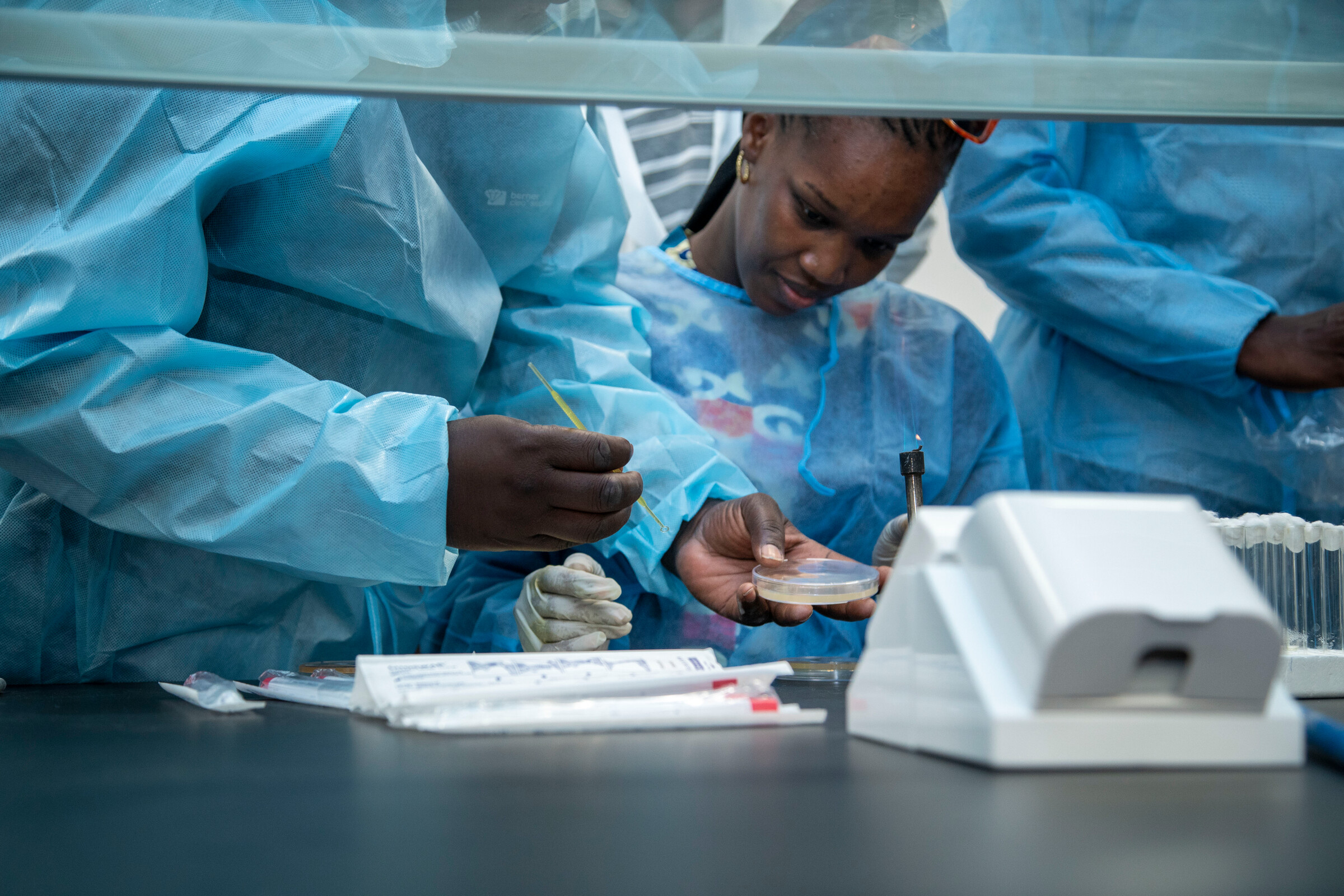
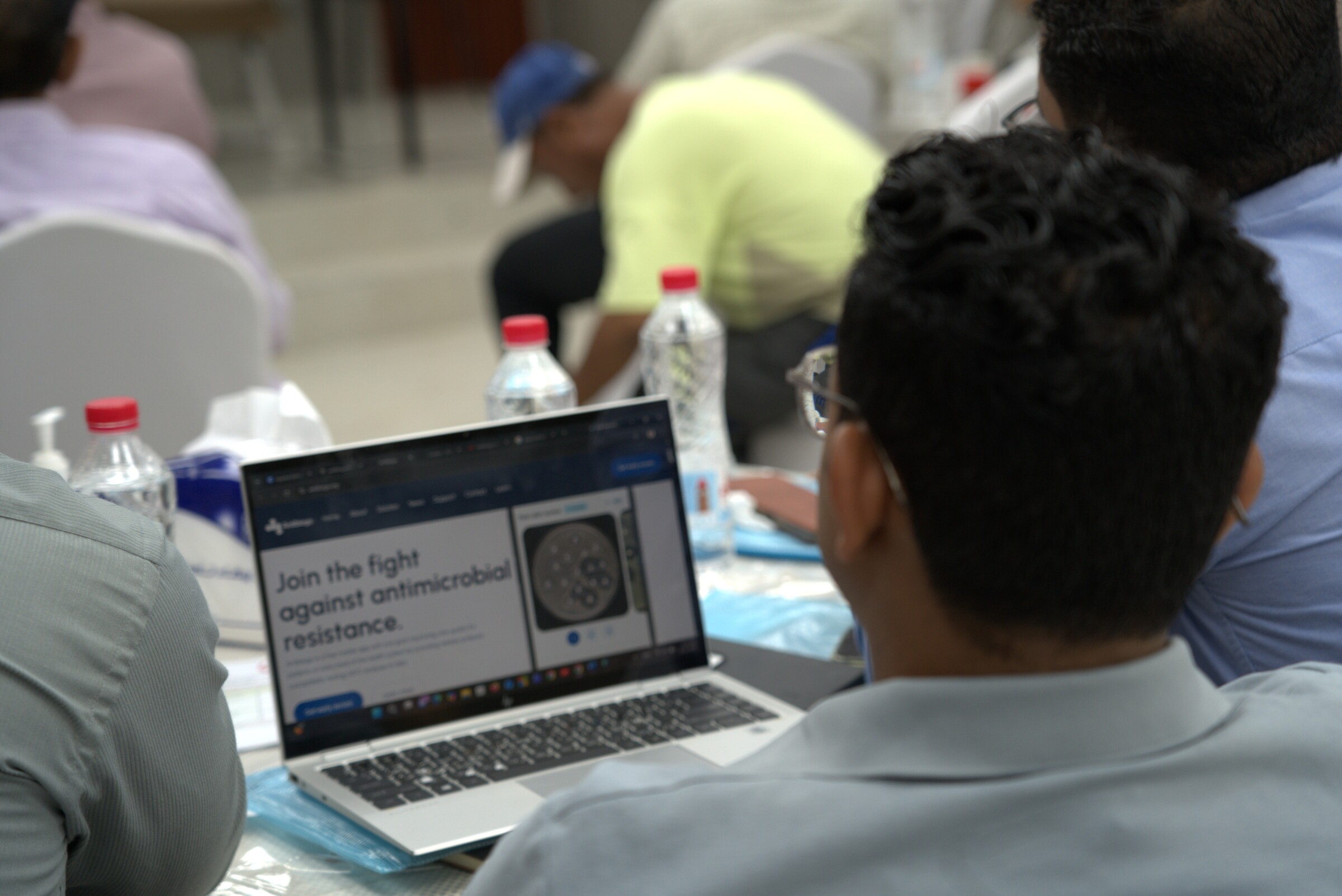
In August 2026, professionals from five laboratories in Mauritania received training in Antibiogo. They shared a common goal of strengthening antimicrobial susceptibility testing practices, updating their knowledge and helping produce results that can inform patient care and antimicrobial resistance surveillance.
Laboratories play a key role in tackling AMR
Antimicrobial resistance (AMR) is a major public health challenge. Microbiology laboratories play an essential role in the response by identifying the bacteria that cause infections and determining their susceptibility to antibiotics. The quality of antimicrobial susceptibility testing (AST) and the interpretation of its results are therefore critical to providing clinicians with reliable information.
“These training sessions aim to strengthen the skills of laboratory professionals, because laboratories play a central role in tackling antibiotic resistance,” explains Carine Yehouenou, an Antibiogo trainer.
Developed by the MSF Foundation, Antibiogo is a free mobile app that works offline. It helps laboratory professionals interpret antimicrobial susceptibility tests using international standards. The approach goes beyond the app itself. Training and ongoing support for laboratory teams are integral to the project.

Reviewing standards and strengthening laboratory practices
The August 2026 training in Nouakchott gave teams from five laboratories an opportunity to review the key steps in antimicrobial susceptibility testing, the relevant standards and good laboratory practices.
For Fatimata Wade, a laboratory technician at Cheikh Zayed Hospital, this was particularly useful. “The training gave us a chance to review the EUCAST and CLSI recommendations, as well as good laboratory practices and which antibiotics to include in our susceptibility tests.”
The teams moved quickly from training to practice. Just a few days after she began using the app, Fatimata had already noticed a change. “It’s already changed the way we work.”
She highlights the value of the comments and guidance Antibiogo provides after a susceptibility test, which help her team interpret the results.
Laboratory results that inform patient care
The aim is to help laboratory teams interpret results more consistently and report them to clinicians.
“Antibiogo lets us summarize the results for clinicians and tell them which antibiotics are relevant to the patient’s treatment,” explains Fatimata.
By making susceptibility test results easier to interpret and helping laboratory professionals report them in a more structured way, Antibiogo helps strengthen the link between bacterial diagnostics and clinical care.
From interpreting susceptibility tests to AMR surveillance
Beyond the care of individual patients, the quality and consistency of laboratory results also matter for understanding how resistance patterns change over time.
For Carine, surveillance is an integral part of the project. “Antibiogo is also a training tool. We’ve worked on both training and resistance surveillance.”
By helping teams strengthen their testing practices and interpret results in line with harmonized standards, Antibiogo can help improve the quality of the data available for AMR surveillance.
A tool that also supports Learning
The August 2026 training with five laboratories in Mauritania illustrates this broader approach, which combines an accessible digital tool with training, follow-up and continued learning.
“Antibiogo helps us learn and monitor resistance,” says Fatimata. Antibiogo’s AST Merge feature allows laboratories to export their antimicrobial susceptibility test results to WHONET to support national surveillance. Countries can then choose to share these data with the WHO’s global surveillance system, GLASS.
From testing at the laboratory bench to producing data for surveillance, strengthening laboratory capacity is an essential part of tackling antimicrobial resistance.
Regulatory information
Device: Antibiogo
Manufacturer: Fondation Médecins Sans Frontières, 34 avenue Jean Jaurès, 75019 Paris, France
Intended purpose: Antibiogo is a stand-alone mobile device software application used in conjunction with a microbiological culture method, intended to aid in the qualitative interpretation of antimicrobial resistance based on EUCAST and CLSI guideline recommendations. Antibiogo is an aid to diagnosis, performing automated interpretation of antimicrobial susceptibility testing using disc diffusion, complemented by minimum inhibitory concentrations (MICs) when available.
Antibiogo is a CE-marked in vitro diagnostic medical device under European Directive 98/79/EC, within the transitional provisions of the European In Vitro Diagnostic Medical Devices Regulation (IVDR).
Before use, carefully read the instructions for use corresponding to the version of Antibiogo being used. Consult the instructions for use.